


|
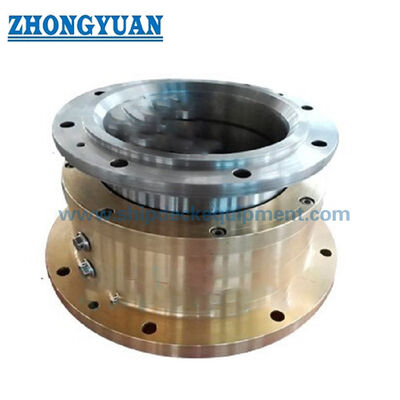
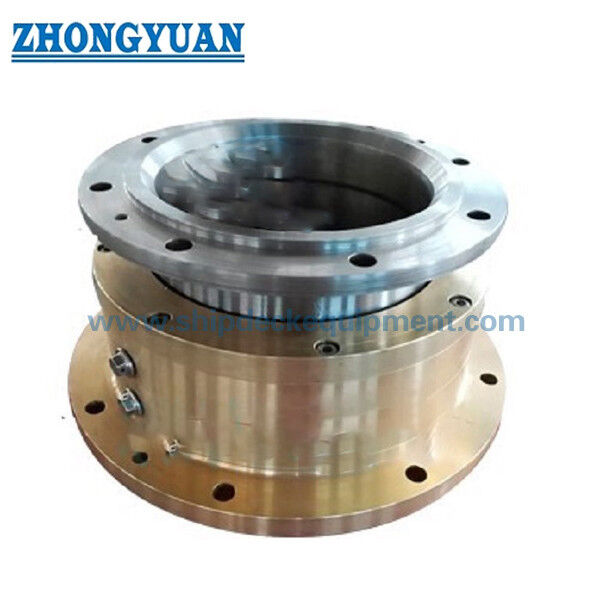
তেল-লুব্রিকেটেড মেরিন স্টার্ন টিউব সিল
পণ্যের বিবরণ:
| উৎপত্তি স্থল: | চীন |
| পরিচিতিমুলক নাম: | Zhongyuan Marine Equipmen |
| সাক্ষ্যদান: | CCS, NK, BV, ABS, DNV, LR, KR, IRS, RS, RINA, CRS, Makers Test Certificate |
| মডেল নম্বার: | স্ট্যান্ডার্ড বা কাস্টমাইজড |
প্রদান:
| ন্যূনতম চাহিদার পরিমাণ: | 1 ইউনিট |
|---|---|
| মূল্য: | Based on quotation |
| প্যাকেজিং বিবরণ: | স্ট্যান্ডার্ড প্যালেট বা কাস্টমাইজড প্যাকিং রপ্তানি করুন |
| ডেলিভারি সময়: | প্রকল্পের প্রয়োজনীয়তার উপর ভিত্তি করে |
| পরিশোধের শর্ত: | টি/টি, এল/সি |
| যোগানের ক্ষমতা: | প্রকল্পের প্রয়োজনীয়তার উপর ভিত্তি করে কাস্টমাইজড উত্পাদন |
|
বিস্তারিত তথ্য |
|||
| রচনা: | কপার হাউজিং, স্টেইনলেস স্টীল বুশিং, গ্যালভানাইজড ক্ল্যাম্প রিং, গ্যাস টায়ার সিল | স্টার্ন শ্যাফ্টের ব্যাস পরিসীমা: | 50-1150 মিমি |
|---|---|---|---|
| স্টার্ন শ্যাফ্টের পরিধানরোধী লাইনারের ব্যাস: | 70-1250 মিমি | তৈলাক্তকরণ তেল কাজের চাপ: | 1-2 বার |
| তৈলাক্তকরণ তেল কাজ তাপমাত্রা: | -25℃~+110℃ | স্টার্ন শ্যাফট পরিধানরোধী লাইনারের লাইনের গতি: | ≤7মি/সেকেন্ড |
| গড় ফুটো: | 5~30ml/h | রাবার সীল: | চার |
| শ্রেণিবিন্যাস সার্টিফিকেট: | সিসিএস, এনকে, বিভি, এবিএস, ডিএনভি-জিএল, এলআর, কেআর, আইআরএস, আরএস, রিনা ইত্যাদি | ||
| বিশেষভাবে তুলে ধরা: | শিপ প্রোপালশন সিস্টেম স্টেরান্ট्यूब সীল,ঘর্ষণ প্রতিরোধী স্ট্রেন টিউব সীল,বিরোধী জারা স্ট্রেন টিউব সীল |
||
পণ্যের বর্ণনা
Oil-Lubricated Marine Stern Tube Seals
Product Overview
Oil-lubricated marine stern tube seals are shaft-line sealing assemblies fitted to oil-lubricated stern tube arrangements. Their purpose is to separate stern tube lubricant from the surrounding seawater at the aft end and to control oil leakage at the inboard, forward end, according to the chosen sealing arrangement.
Oil-lubricated marine stern tube seals are used in ship propulsion shafting systems to retain lubricating oil and provide sealing at the aft or forward end of the stern tube. The sealing assembly incorporates a housing, shaft liner or bushing, clamping components and rubber sealing elements.
Seal configurations and dimensions are selected according to the propeller shaft diameter, liner dimensions, installation position and lubrication conditions. For accurate selection and quotation, customers are recommended to provide the relevant shafting arrangement drawings and project specifications.
Quick Specifications
- Product category: Oil-lubricated stern tube sealing assemblies for marine propulsion shaft lines.
- Sealing locations: Aft seal (seawater side) and forward seal (inboard side); actual supply configuration to be identified.
- Sizing reference: Published shaft-diameter and liner-diameter ranges, subject to a model-by-model selection schedule.
- Published construction: Metal housing, stainless steel bushing, clamp ring and rubber sealing elements; material grades require confirmation.
- Operating information: Published oil pressure, temperature, liner speed and leakage figures require defined test and service conditions.
- Enquiry basis: Vessel drawing, shaft size, liner details, oil system, seal arrangement and requested inspection documentation.
Main Technical Parameters
|
Parameter |
Existing Website Reference |
|---|---|
| Stern shaft diameter | 50-1150 mm |
| Stern shaft wear-resistant liner diameter | 70-1250 mm |
| Lubricating oil working pressure | 1-2 bar |
| Lubricating oil working temperature | -25°C to +110°C |
| Liner surface / line speed | ≤7 m/s |
| Average leakage (published figure) | 5-30 ml/h |
| Rubber sealing elements (published count) | 4 |
| Housing (published description) | Copper housing |
| Bushing (published description) | Stainless steel bushing |
| Clamp ring (published description) | Galvanized clamp ring |
| Additional seal term in source | Gas tire seal (terminology unverified) |
Structure & Sealing Arrangement
The sealing assembly is specified around the rotating shaft or liner and a stationary housing fitted to the stern tube interface. Rubber sealing elements run against the liner surface. Their number, lip orientation and lubrication passages depend on the actual aft or forward design; the existing website does not establish a verified cross-section for every listed size.
In a conventional oil-lubricated arrangement, the aft seal provides the boundary between seawater and stern tube oil, while the forward seal limits oil migration toward the engine room. The sealing surfaces require appropriate lubrication during operation; the precise oil feed, drain and pressure-control arrangement must follow the selected drawing and operating instructions.
Selection & Inquiry Guide
Step 1: Identify whether the request is for an aft seal, forward seal, complete stern tube sealing set, or replacement components; provide the vessel and shaft-line arrangement.
Step 2: Provide shaft diameter, liner diameter and length, running surface condition, available axial space, mating flange drawing and connection orientation.
Step 3: Confirm lubricant type, oil system arrangement, pressure conditions, expected operating temperature and maximum shaft rotational speed; specify seawater-side conditions when applicable.
Step 4: State newbuilding or replacement use, required quantity, delivery destination, drawing/revision, inspection and certificate requirements, and whether matching rings or liners are needed.
Installation & Operating Considerations
- Check the seal housing and liner interfaces against the approved shaft-line assembly and mounting drawing before installation.
- Verify sealing-lip direction, clean running surfaces, shaft alignment and any specified oil connections against the selected model instructions.
- Do not treat an assembly pressure or tightness test as a continuous rated oil pressure; the acceptance method must be stated separately.
- For operation and maintenance, monitor the lubricating system and follow the model-specific guidance on seal oil condition, leakage and wear.
Applications
Oil-lubricated ship propulsion shafting | Newbuilding stern tube arrangements | Aft and forward shaft sealing | Ship repair and shaft-line replacement projects (subject to project-specific suitability).
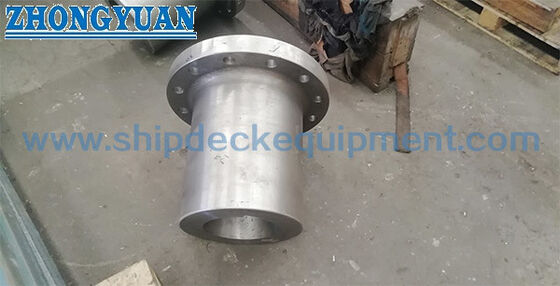
Drawing & Photos
FAQ
Q1: Can the published shaft and liner ranges be used to select a seal directly?
A1: No. The two published ranges do not establish valid diameter pairs or the flange and sealing geometry for each model. An approved model schedule or assembly drawing is required.
Q2: Is the listed four-seal configuration standard for all aft and forward applications?
A2: The existing website gives a count of four but does not define its distribution or the corresponding model. The actual arrangement must be checked before quotation and publication.
Q3: Are classification certificates supplied automatically?
A3: No certificate scope should be assumed from the existing list of societies. The purchaser should specify whether a maker's certificate, material record, product certificate or witnessed inspection is required, and the available scope must be confirmed for the order.
