


 |
মেরিন ফিক্সড পিচ প্রপেলার, ব্লেড জ্যামিতি, উপাদান বিকল্প এবং মেরিন প্রপালশনের জন্য শ্যাফ্ট ইন্টারফেস
পণ্যের বিবরণ:
| উৎপত্তি স্থল: | চীন |
| পরিচিতিমুলক নাম: | Zhongyuan Marine Equipmen |
| সাক্ষ্যদান: | CCS, NK, BV, ABS, DNV, LR, KR, IRS, RS, RINA, CRS, Makers Test Certificate |
| মডেল নম্বার: | স্ট্যান্ডার্ড বা কাস্টমাইজড |
প্রদান:
| ন্যূনতম চাহিদার পরিমাণ: | 1 ইউনিট |
|---|---|
| মূল্য: | Based on quotation |
| প্যাকেজিং বিবরণ: | স্ট্যান্ডার্ড প্যালেট বা কাস্টমাইজড প্যাকিং রপ্তানি করুন |
| ডেলিভারি সময়: | প্রকল্পের প্রয়োজনীয়তার উপর ভিত্তি করে |
| পরিশোধের শর্ত: | টি/টি, এল/সি |
| যোগানের ক্ষমতা: | প্রকল্পের প্রয়োজনীয়তার উপর ভিত্তি করে কাস্টমাইজড উত্পাদন |
|
বিস্তারিত তথ্য |
|||
| শ্রেণী: | সামুদ্রিক প্রপেলার | উপাদান: | তামা (Cu1, Cu2, Cu3, Cu4), অ্যালুমিনিয়াম খাদ, স্টেইনলেস স্টীল |
|---|---|---|---|
| ফলকের আকার (ইউনিট: মিমি): | 1300, 1580, 2650, 2900, 3000, 3500, 4100, 4500, 4900 (কাস্টমাইজযোগ্য) | ব্লেড সংখ্যা: | 3, 4, 5, 6, ইত্যাদি |
| প্রোপেলারের প্রকারভেদ: | ছোট/মাঝারি/বড়, FPP/CPP | শ্রেণিবিন্যাস সার্টিফিকেট: | CCS, NK, BV, ABS, DNV-GL, LR, KR, IRS, RS, ইত্যাদি। |
| বিশেষভাবে তুলে ধরা: | উচ্চ গতির নৌকা ইঞ্জিন চালক,OEM 4 ব্লেড নৌকা চালক,স্টেইনলেস স্টিল নৌকা চালক |
||
পণ্যের বর্ণনা
Marine Fixed Pitch Propellers
Blade Geometry, Material Options and Shaft Interface for Marine Propulsion
Product Overview
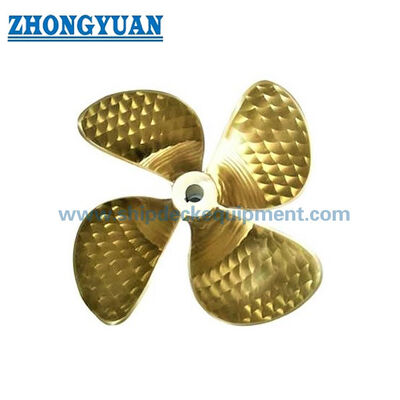
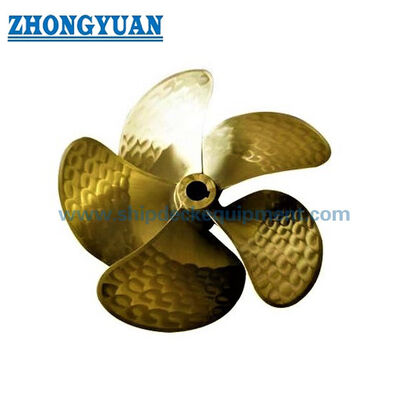
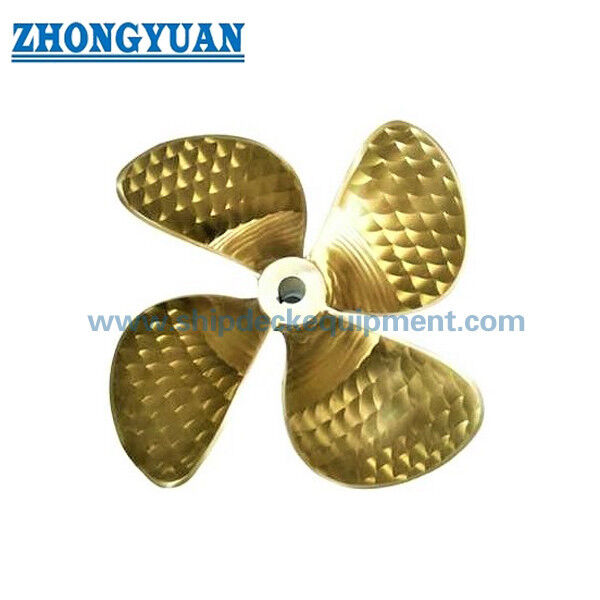
Marine fixed pitch propellers (FPP) convert propulsion shaft rotation into thrust through blades whose pitch remains fixed during operation. Zhongyuan Marine offers fixed pitch propellers for vessel newbuilding and replacement enquiries, with the final configuration selected against propulsion requirements and approved engineering drawings.
Propeller geometry and the shaft-to-hub connection must be considered together with the vessel operating profile, available shaft power, design RPM and stern clearance. For technical assessment, customers may submit a propeller drawing, propulsion calculation or existing propeller sample together with the corresponding shaft information.
Quick Specifications
- Propeller type: Fixed pitch marine propeller for shaft-line propulsion.
- Blade configurations: Three-, four-, five- and six-blade arrangements for project-specific review.
- Material selection: Cast copper alloys and alternative specified alloys, subject to actual grade and production confirmation.
- Geometry: Diameter, pitch and blade area are matched to the vessel propulsion design.
- Hub interface: Bore, taper and securing arrangement must agree with the approved shaft drawing.
- Enquiry basis: Newbuilding or replacement service, design drawings and required inspection documents.
Main Technical Parameters
The propeller specification is established from the vessel design and the agreed supply drawing. The items below form the basis for technical selection and quotation.
|
Technical item |
Specification / enquiry basis |
|---|---|
| Pitch arrangement | Fixed pitch (FPP) |
| Number of blades | 3 / 4 / 5 / 6; configuration subject to project design |
| Material options | Copper-alloy groups CU1 / CU2 / CU3 / CU4; aluminium or stainless steel subject to grade and supply confirmation |
| Propeller diameter | To be established from approved propeller design |
| Pitch and blade area ratio | As defined in the design geometry and propulsion calculation |
| Rotation direction | According to the vessel shaft-line arrangement |
| Shaft power and speed | Provide design power (kW) and shaft RPM |
| Hub / shaft connection | According to the approved shaft-end and hub interface drawings |
| Inspection / documents | As specified by the order and applicable class requirements |
Propeller Geometry & Shaft Interface
Diameter (D), pitch or pitch distribution (P), pitch ratio (P/D), expanded blade area ratio (AE/A0), blade count (Z) and rotation direction are linked to the vessel operating point. Changing one of these parameters may require a new propulsion design review; a blade count or diameter alone does not establish a suitable replacement.
The hub must also match the vessel shaft end, including the actual taper, bore, key or keyless fit, securing arrangement and installation clearance, where applicable. The approved shaft and hub drawings are needed to define these connections.
Manufacturing, Inspection & Documentation
The agreed purchase specification should identify material grade, dimensional acceptance requirements, balancing, any required non-destructive examination and manufacturing records. For cast copper-alloy propellers within its scope, applicable classification requirements such as IACS UR W24 can provide a reference for material and inspection provisions. The actual inspection and certificate scope must be agreed for the order.
Selection & Inquiry Guide
Step 1: Identify vessel type, operating duty, newbuilding or replacement requirement and expected speed range.
Step 2: Provide engine power, gearbox ratio, propeller-shaft RPM, rotation direction and available stern clearance.
Step 3: Supply the approved propeller and shaft drawings, propulsion calculation or verified measurements from the existing propeller.
Step 4: Specify required material, quantity, inspection / class-documentation scope and delivery requirements.
Applications
Commercial vessel propulsion | Newbuilding shaft-line installations | Marine propeller replacement | Vessel refit projects
Drawing & Photos
FAQ
Q1: Can blade count alone determine whether a propeller is suitable?
A1: No. Blade count must be assessed with diameter, pitch, blade area, power and operating RPM. A four-blade design is not automatically interchangeable with a five-blade design.
Q2: Can a replacement propeller be quoted using an existing sample?
A2: A sample can support identification and measurement, but the final specification also requires verified geometry, rotation direction and shaft-to-hub fit. Any intended change in vessel service should be stated.
Q3: Which inspection documents can be requested?
A3: Material certificates, maker documentation, class product certificates and witnessed inspections have different scope. Specify the required documents and approval process in the enquiry so they can be assessed for the order.
